Infidelity is not just a mistake. It is a wound.
It breaks trust, damages emotional safety and shakes the foundation of marriage.
The betrayed spouse may keep asking:
- Was any of it real?
- How long was this happening?
- Can I trust you again?
- What else do I not know?
- Am I foolish if I stay?
- Will this happen again?
These questions are not weakness. They are the voice of a wounded heart trying to understand what happened.
Marriage can be restored after infidelity, but restoration must be built on truth, not pressure.
Forgiveness is important, but forgiveness alone does not rebuild trust.
Trust is rebuilt through repentance, transparency, accountability, patience and consistent change.
1. The Betrayal Must Be Taken Seriously
The first step is honesty.
Infidelity must not be minimised. It should not be called “just a mistake” if it broke covenant, damaged trust and wounded the heart of a spouse.
Words like these can deepen the wound:
- It meant nothing.
- You are overreacting.
- Just move on.
- At least I came back.
- Why are you still talking about it?
- You should forgive me by now.
These statements may sound defensive, but to the betrayed spouse, they feel like another betrayal.
The person who caused the wound must be willing to face the weight of what happened.
Healing begins when truth is no longer avoided.
2. Full Truth Is Necessary
Trust cannot be rebuilt on half truth.
If the betrayed spouse has to keep discovering details gradually, the wound keeps reopening.
This does not mean every painful detail must be shared carelessly, but it does mean the truth must not be hidden, twisted or drip fed.
The betrayed spouse needs to know that deception has stopped. Without truth, the mind keeps filling the gaps.
That is why honesty is not cruelty. Honesty is part of healing.
3. The Unfaithful Spouse Must Show Real Repentance
Repentance is more than saying sorry. Repentance is a change of heart that produces a change of behaviour.
Real repentance does not blame the betrayed spouse. It does not say:
- I cheated because you were not giving me attention.
- I cheated because you changed.
- I cheated because I was lonely.
- I cheated because you pushed me away.
Marriage problems may need to be addressed, but they do not excuse betrayal.
Real repentance says:
- I was wrong.
- I broke trust.
- I hurt you.
- I take responsibility.
- I am willing to rebuild slowly.
- I will accept accountability.
- I will not rush your healing.
A person who is truly repentant does not demand instant trust.
4. Transparency Must Become Normal
After infidelity, privacy and secrecy are not the same thing.
Every person deserves dignity, but secrecy that protects betrayal cannot continue.
Transparency may include:
- Open communication
- Clear whereabouts
- Ending contact with the other person
- Answering necessary questions
- Accountability with a trusted counsellor or pastor
- Financial openness if money was involved
- Phone and communication boundaries where needed
This is not about punishment. It is about rebuilding safety.
The unfaithful spouse should not say, “You are invading my privacy,” if secrecy was part of the betrayal.
Trust needs evidence.
5. The Betrayed Spouse Must Be Given Time
Betrayal grief comes in waves.
One day the betrayed spouse may seem calm. Another day they may cry again. Another day they may ask the same question again. Another day they may feel angry.
This is not always cruelty. Sometimes it is trauma speaking.
The person who broke trust must be patient with the healing process.
Do not rush the wounded spouse. Do not say, “I thought we had moved past this.” Do not demand peace before safety has been rebuilt.
Healing after infidelity is not a straight road. It is a journey.
6. Forgiveness and Reconciliation Are Not the Same
Forgiveness is a spiritual decision. Reconciliation is a relational rebuilding process.
A betrayed spouse may choose to forgive, but still need time to decide whether the marriage can be restored.
Forgiveness releases bitterness. Reconciliation requires truth, safety, accountability and change.
No one should be pressured to stay in a relationship where there is no repentance, no safety and no change.
God loves marriage, but God also loves truth. Restoration must be real, not forced.
7. Professional and Pastoral Support May Be Needed
Infidelity creates deep emotional injury. Sometimes the couple needs help beyond private conversations.
A Christian counsellor, pastoral counsellor, marriage therapist or trusted spiritual leader can help the couple process the pain safely.
This is especially important when there has been:
- Repeated cheating
- Emotional abuse
- Gaslighting
- Pornography addiction
- Financial betrayal
- Public scandal
- Hidden communication
- Blame shifting
- Ongoing contact with the other person
Seeking help is not shameful. It is wisdom.
8. The Marriage Must Not Return to the Same Old Pattern
After infidelity, the goal is not simply to go back to normal. Sometimes the old normal was part of the problem.
A restored marriage must become more honest, more accountable, more prayerful, more emotionally present and more mature.
The couple may need to rebuild:
- Communication
- Emotional connection
- Sexual trust
- Financial honesty
- Spiritual intimacy
- Conflict resolution
- Family boundaries
- Friendship
- Respect
Restoration is not pretending the betrayal never happened.
Restoration is allowing God to heal what was broken and rebuild what was weak.
9. Final Word
Trust can be rebuilt after infidelity, but it cannot be rushed.
It requires truth. It requires repentance. It requires patience. It requires consistency. It requires accountability. It requires God’s grace and human responsibility.
The wounded spouse must not be pressured to heal quickly. The unfaithful spouse must not demand trust without rebuilding trustworthiness.
And both must decide whether they are willing to walk the long road of healing.
With God, healing is possible. But healing must be built on truth.
Final Prayer
Lord, heal every marriage wounded by infidelity. Give truth where there has been secrecy. Give repentance where there has been betrayal. Give wisdom where decisions are difficult. Restore what can be restored, protect what needs protection and heal every broken heart. In Jesus’ name. Amen.
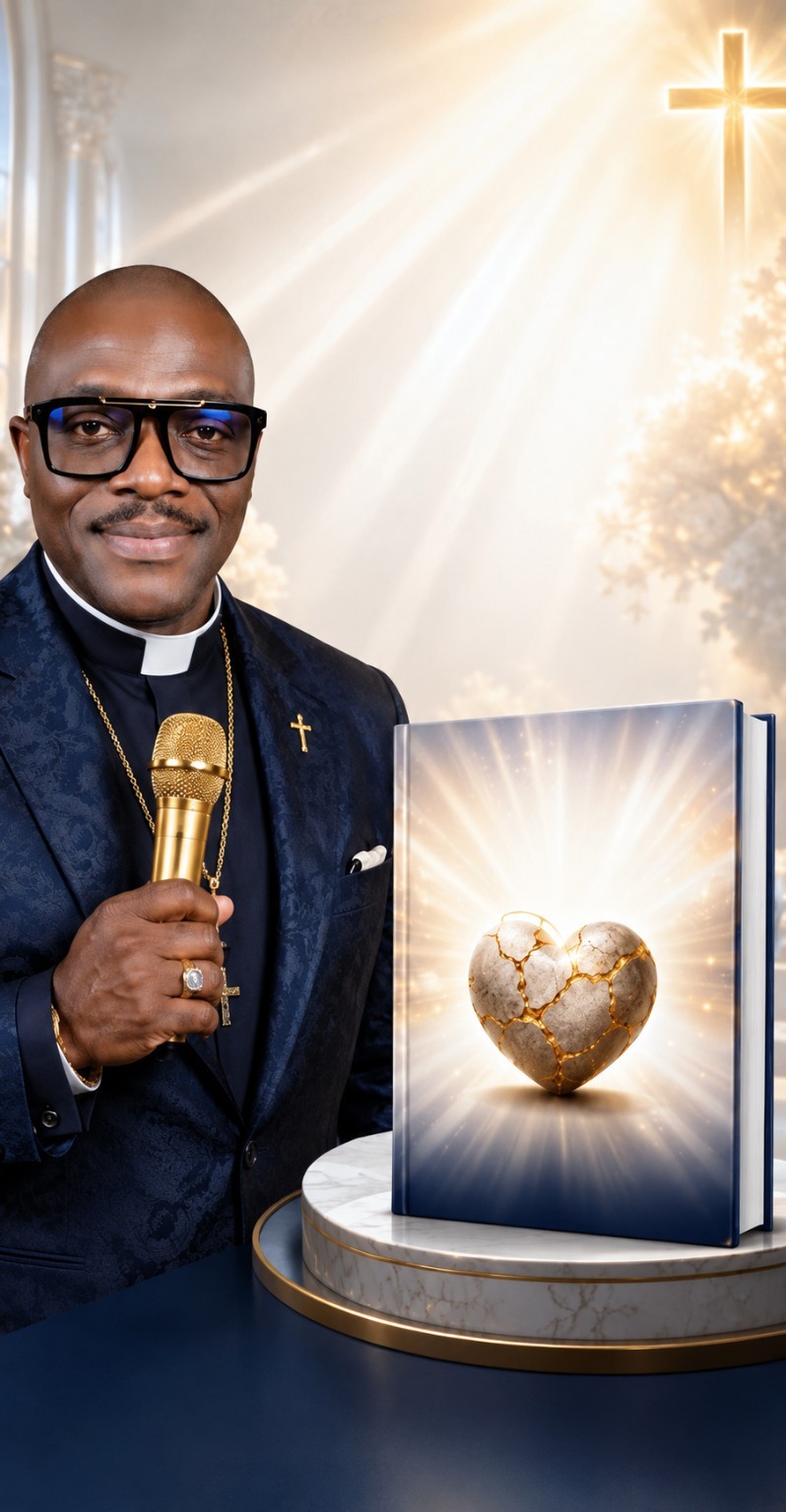
After the Betrayal
A Christian Guide to Surviving Infidelity, Healing the Wound, Rebuilding Trust and Knowing Whether Your Marriage Can Be Saved
Also recommended: Forgive, But Should You Stay?
Buy My Books on Amazon